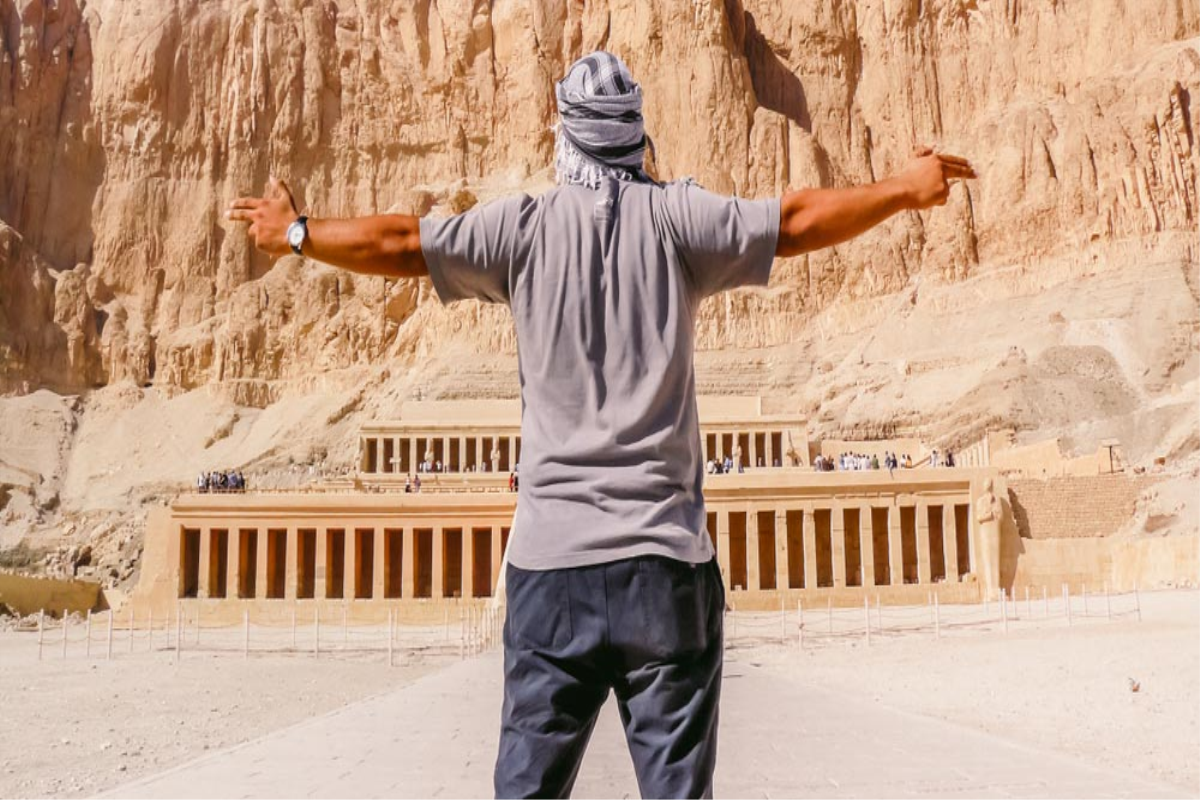
Welcome to the world’s greatest open-air museum
Brief history of ancient Thebes
Why is Luxor essential for any Egypt itinerary
East Bank: The Land of the Living
Karnak Temple Complex
History and significance (2000+ years of construction)
Key highlights: Great Hypostyle Hall, Sacred Lake, Obelisks
Best photography spots and timing
Sound and Light Show details
Luxor Temple
Connection to Karnak via the Avenue of Sphinxes
Evening illumination and romantic atmosphere
Religious significance and festivals
Luxor Museum
Must-see artifacts and why it’s worth visiting
Mummy collection highlights
West Bank: The Land of the Dead
Valley of the Kings
Tomb selection strategy (which tombs to prioritize)
Tutankhamun’s tomb vs. other royal tombs
Photography restrictions and ticket types
Best visiting times to avoid crowds
Valley of the Queens
Nefertari’s tomb (separate ticket required)
Other notable queens’ tombs
Mortuary Temples
Hatshepsut Temple: Architecture and the feminist pharaoh’s story
Ramesseum: Ozymandias’ inspiration
Medinet Habu: Best-preserved temple complex
Deir el-Medina
Workers’ village and colorful tombs
Insight into daily life of ancient craftsmen
Practical Information
Best time to visit (early morning/late afternoon)
Ticket combinations and pricing
Transportation options
What to bring (water, hat, comfortable shoes)
Recommended tour duration
Conclusion
Why Luxor deserves at least 2-3 days
Call to action for booking tours

 admin
August 15, 2023
admin
August 15, 2023